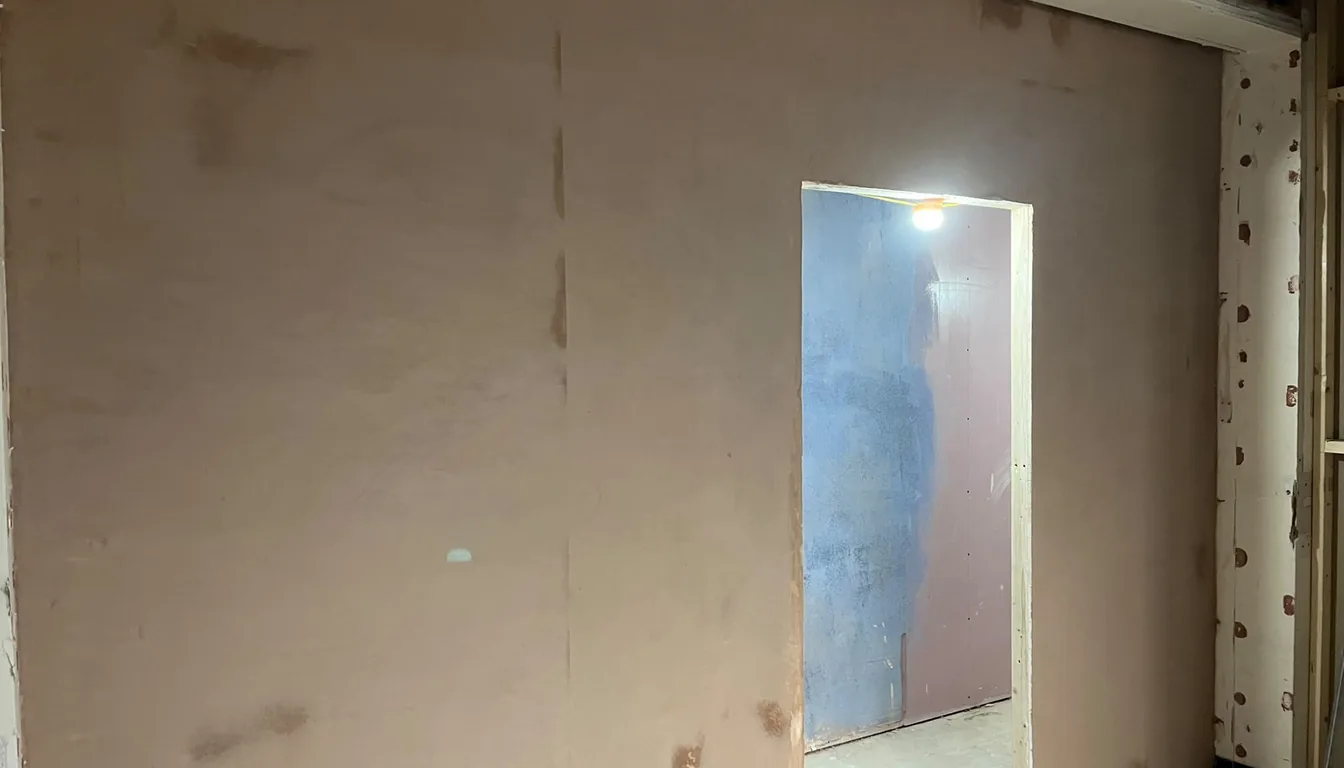
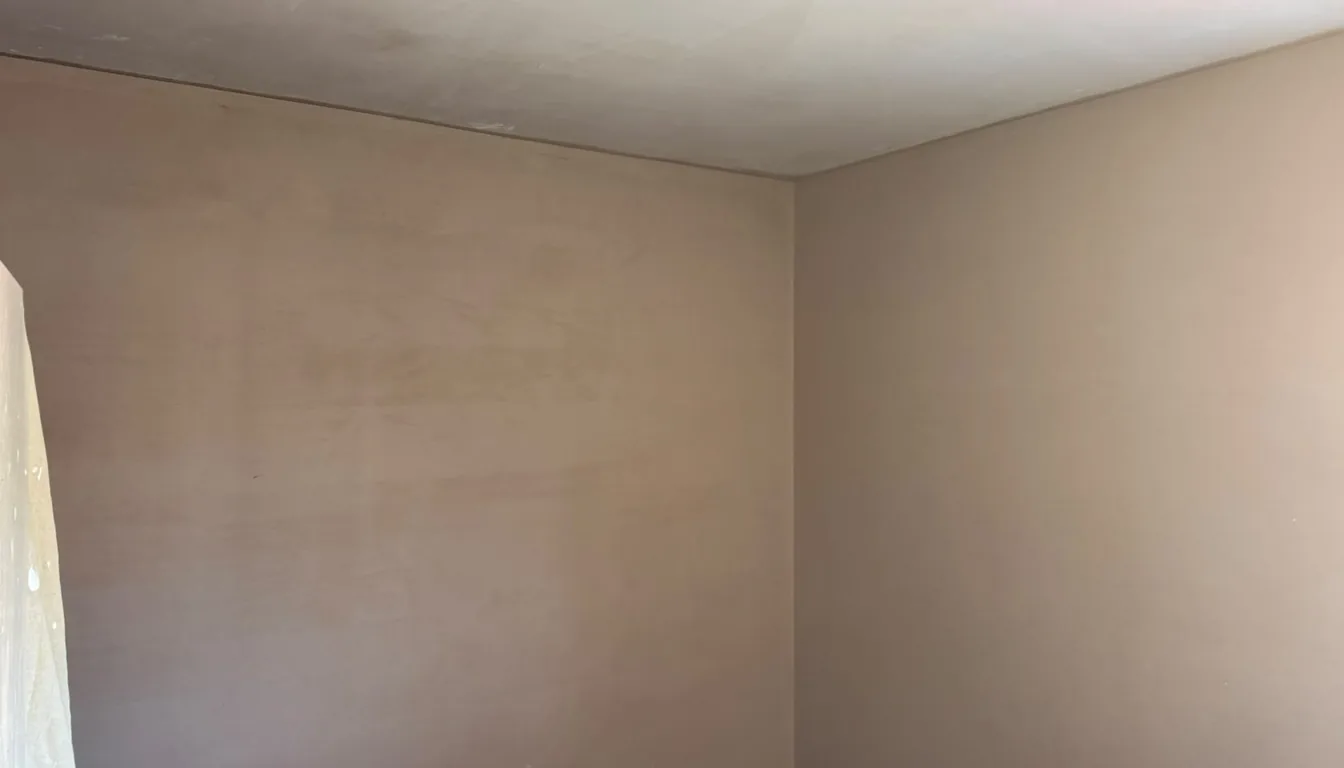
Small Plaster Repairs: When to DIY, When to Call a Plasterer
Cracked, blown or damaged plaster? R.Q Plastering & Rendering Services covers Ilkeston and within 30 miles, including Derby and Nottingham. Get a quote.

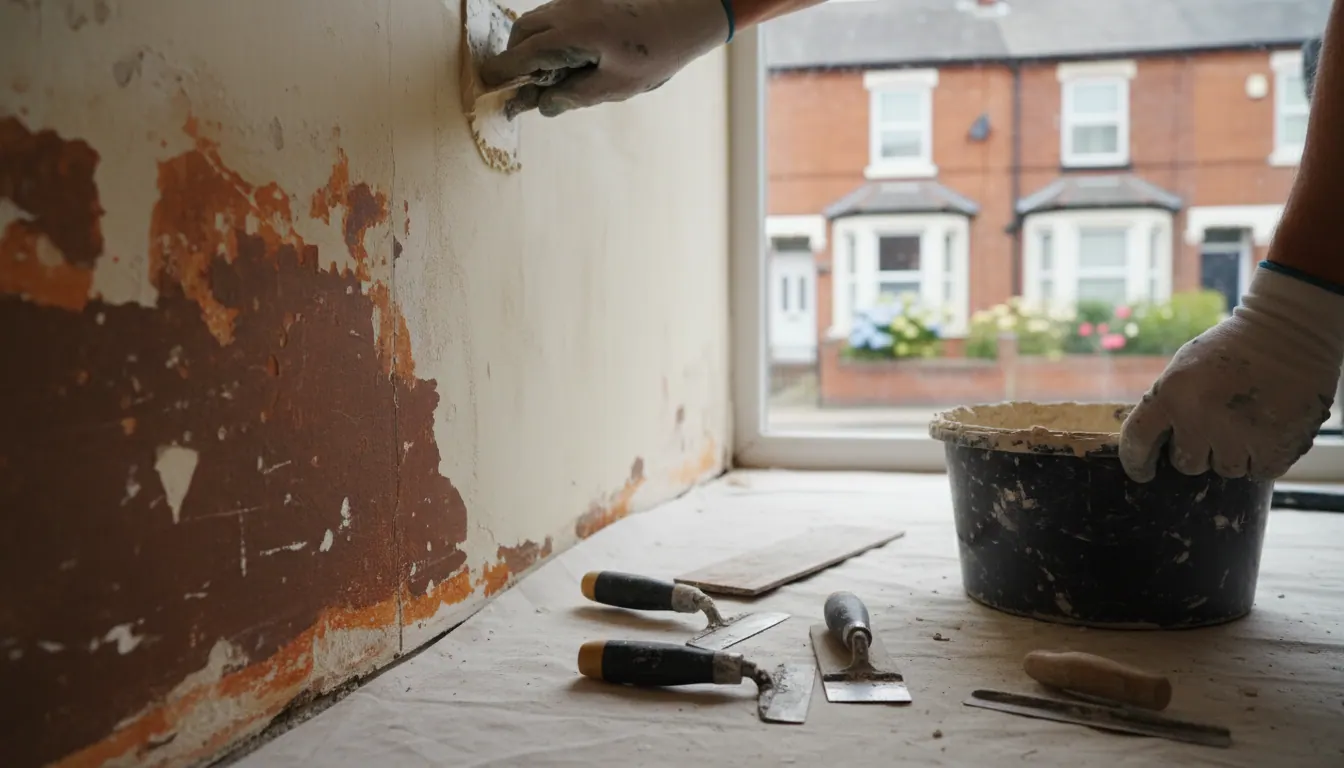
Plaster repairs: what's actually wrong with your wall?
Cracks appear. Patches bubble up. A chunk falls away and leaves bare brick staring back at you. Plaster problems are among the most common jobs in any home, and they come in all shapes and sizes.
Before we can fix anything, it helps to understand what's going on. Not every crack or damaged patch means the same thing, and the repair approach depends on what caused the problem in the first place. So here's a plain-English look at the most common issues in homes across Ilkeston, Erewash, Long Eaton, Heanor, Derby and Nottingham, and what a proper repair actually involves.
What causes plaster walls to crack?
Plaster cracks for a few different reasons, and most of them are perfectly normal in older properties.
Settlement and movement. Buildings move slightly over time, especially older Derbyshire and Nottinghamshire homes. As a house settles, the plaster shifts with it. Fine hairline cracks around door frames and window reveals are usually the result of this kind of gradual movement.
Thermal expansion. Walls expand in warm weather and contract when it's cold. Over many years, that repeated movement takes its toll on the plaster finish.
Vibration. Building work next door, a loft conversion, or even a new extension can send enough vibration through a structure to crack the plaster on internal walls.
Poor original application. Sometimes the plaster was simply applied badly to begin with, or onto a surface that wasn't properly prepared. Cracks can appear relatively soon after plastering if the background wasn't right.
Moisture. Water getting into a wall from outside, a leaking pipe, or condensation can soften plaster and cause it to crack or come away from the wall entirely.
If you're not sure what's caused the damage, just describe it to us when you get in touch. We'll ask the right questions to work out what's needed.
What is blown plaster?
This is a term that comes up a lot, and it's worth explaining. Blown plaster (sometimes called "live" plaster) is plaster that has separated from the wall or ceiling behind it. It's still in place, but it's no longer bonded properly to the background.
You can usually spot it by sound. Tap the wall gently with your knuckle. Solid plaster gives a dull, dense knock. Blown plaster sounds hollow, almost like tapping a drum. That hollow sound tells you the plaster has lost its key (the mechanical grip that holds it to the surface behind it).
Blown plaster is common in older properties, particularly where moisture has got in at some point, or where the original plaster has simply reached the end of its life. It can sit there for years looking fine, and then one day a section drops off without warning.
The honest answer is that blown plaster needs to come off. Patching over the top of it won't hold. The loose sections have to be removed back to a sound surface, and then the area is re-plastered properly. It's more work than a simple skim, but it's the only way to get a repair that lasts.
Small repairs vs. full replastering: how do you know which you need?
This is a common question, and the answer genuinely depends on the state of the wall or ceiling.
A small repair or patch is usually the right answer when:
- There's a single crack or a localised patch of damage
- The surrounding plaster is solid and well bonded
- The damage came from a one-off event (a knock, a leak that's now fixed, making good after an electrician or plumber has been in)
Full replastering tends to make more sense when:
- Large areas are blown or cracked
- The existing plaster is old and thin in multiple places
- You've had other trades in and there's widespread damage across a room
- The finish is so rough or uneven that patching would look worse than starting fresh
There's no point replastering a whole room if a couple of patches will do the job properly.
For more on what the replastering process involves, our guide What Does a Plasterer Actually Do? A Homeowner's Guide walks through it in plain terms.
Making good after other trades
One of the most common reasons people need plaster repairs is that another trade has been through the house. Electricians chasing cables into walls, plumbers cutting into plasterboard to reach pipes, builders knocking through for a new doorway. All of it leaves the walls and ceilings in a state that needs making good.
Making good is part of the restoration and repair work R.Q Plastering takes on. Once your other trades have finished and signed off their work, we come in and bring everything back to a smooth, paintable finish. That might mean filling chased lines, patching cut-out sections of plasterboard, or re-skimming a whole wall where the damage is too widespread to patch neatly.
The key thing is to make sure the underlying work is fully finished and signed off before we start. We can't plaster over an open cable chase or a pipe that might need to be accessed again.
Plaster repairs in older Derbyshire and Nottinghamshire properties
Older properties need a bit more thought. Many older homes have solid walls with the plaster applied directly onto the masonry. That plaster can be thick, and when it starts to fail, it can fail in large sections.
Whatever the age of the property, the approach is the same: assess what's there, remove what's failed, prepare the background properly, and apply the new plaster so it bonds well and gives a finish that'll last.
If you've got an older property and you're not sure whether the plaster is worth saving or whether it's time to take it back and start again, Why Your Plaster Isn't Sticking, and How to Fix It covers some of the common reasons plaster fails to bond and what can be done about it.
Getting the room ready before we arrive
You don't need to do anything technical, but a bit of preparation on your end makes the job go smoothly.
- Clear the room as much as you can. Move furniture away from the walls, roll up rugs, and take down anything hanging on the walls we'll be working on.
- Cover anything you can't move with dust sheets. Plastering can be messy, and dust travels.
- Make sure we can get to the area easily. If we're working on a ceiling, we need space to work safely.
- If the damage was caused by a leak, make absolutely sure the source of the water has been fixed before we start. Plastering over an active damp problem won't end well.
That's genuinely all you need to do. We'll take care of the rest.
Frequently asked questions about plaster repairs
Is it easy to fix plaster walls yourself?
Small hairline cracks can be filled, and plenty of people do tackle minor touch-ups themselves with ready-mixed products from a builders' merchant. The honest answer, though, is that getting a neat, flat, paintable finish takes practice. If the crack keeps coming back, if there's a larger area of damage, or if the plaster sounds hollow when you tap it, it's worth getting a plasterer in. A repair done properly will be invisible once it's painted. A poorly patched repair often stands out more than the original damage.
What is blown plaster and do I need to fix it?
Blown plaster is plaster that has lost its bond to the wall or ceiling behind it. It sounds hollow when you tap it. Yes, it does need fixing, because it won't re-bond on its own and it can fall away without warning. The right approach is to remove the blown sections back to a sound surface and replaster. Skimming over the top of blown plaster is a short-term fix that won't hold.
What causes cracks to keep coming back after I've filled them?
If a crack keeps reappearing, it usually means there's ongoing movement in the wall. Simple filler sits rigid in the crack, and when the wall moves again the filler breaks. A plasterer can assess whether the movement is still active or has settled, and apply the repair in a way that's more likely to last. In some cases, the crack is a symptom of something structural, and it's worth having a builder or structural engineer take a look before plastering over it.
Do you cover the whole of Derbyshire and Nottinghamshire for plaster repairs?
We're based in Ilkeston and cover homes and properties within 30 miles. That takes in Erewash, Long Eaton, Heanor, Derby, Nottingham and the surrounding areas of Derbyshire and Nottinghamshire. If you're not sure whether you're in our area, just get in touch and we'll let you know.
Get a quote for plaster repairs
Whether it's a single crack, a patch of blown plaster, or a room that needs making good after other work, we're happy to take a look and tell you what's needed. Richard covers Ilkeston and everywhere within 30 miles, working between 7am and 7pm.
Get in touch with us through the website form, or call us on 07492 266834. You can also reach us by email at rqplasteringservices@hotmail.com. No hard sell, just a straight conversation about what the job involves.